Wedding Facility Renewal & M&A
Historical building restoration case study results 1
Ashiya Monolith
Former Ministry of Communications Ashiya Telegraph Bureau
Ashiya City, Hyogo Prefecture
Ashiya City, Hyogo Prefecture
Designated as a Structure of Landscape Importance by Hyogo Prefecture
Registered Tangible Cultural Property (Japan)
20th BELCA Prize – Long Life Category
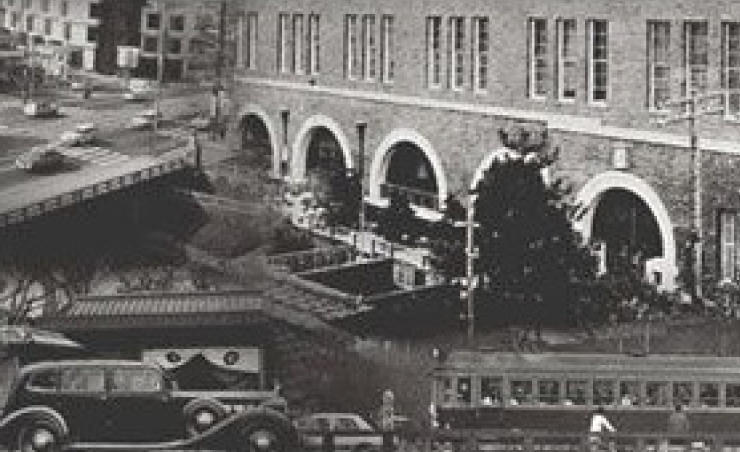
It was built in 1929 and had a telephone exchange installed at the time. In February 2005, it was renovated as a restaurant and wedding facility, using a space rich in history that has survived the ravages of World War II.
Registered Tangible Cultural Property (Japan)
20th BELCA Prize – Long Life Category
It was built in 1929 and had a telephone exchange installed at the time. In February 2005, it was renovated as a restaurant and wedding facility, using a space rich in history that has survived the ravages of World War II.
Historical building restoration case study results 2
MITAKISO
Former Japanese restaurant and inn Mitakiso
Hiroshima City, Hiroshima Prefecture
Hiroshima City, Hiroshima Prefecture
12th URBAN DESIGN AWARD HIROSHIMA
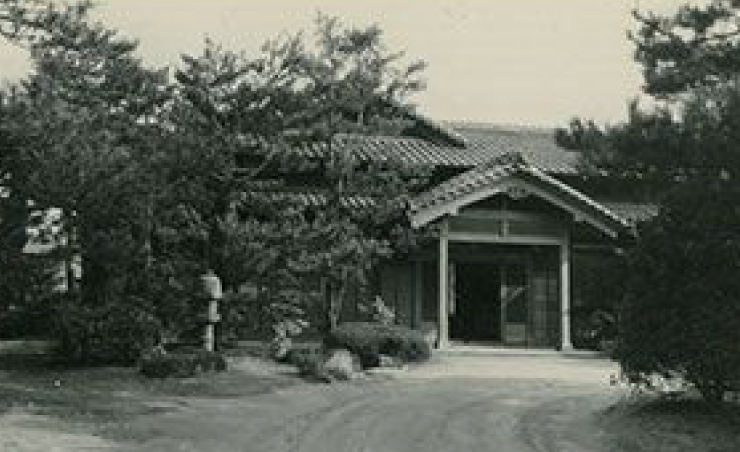
Mitakiso, which opened as a Japanese restaurant and inn in 1946, has a Japanese-Western eclectic design built in the early Showa period, and has been widely loved not only by locals but also by people from Japan and abroad. In 2009, with the theme of Japanese modernity, we preserved the architectural beauty of the time, such as the wickerwork ceiling, while incorporating elements of contemporary art, renovating it into a wedding facility where you can discover a "fresh Japanese experience."
Mitakiso, which opened as a Japanese restaurant and inn in 1946, has a Japanese-Western eclectic design built in the early Showa period, and has been widely loved not only by locals but also by people from Japan and abroad. In 2009, with the theme of Japanese modernity, we preserved the architectural beauty of the time, such as the wickerwork ceiling, while incorporating elements of contemporary art, renovating it into a wedding facility where you can discover a "fresh Japanese experience."
Historical building restoration case study results 3
HIMEJI MONOLITH
Himeji Telegraph Bureau, former Ministry of Communications
Himeji City, Hyogo Prefecture
Himeji City, Hyogo Prefecture
18th BEST STORE OF THE YEAR Excellence Award
2010 JCD Design Award 100 selections
2011 IES Illumination Awards
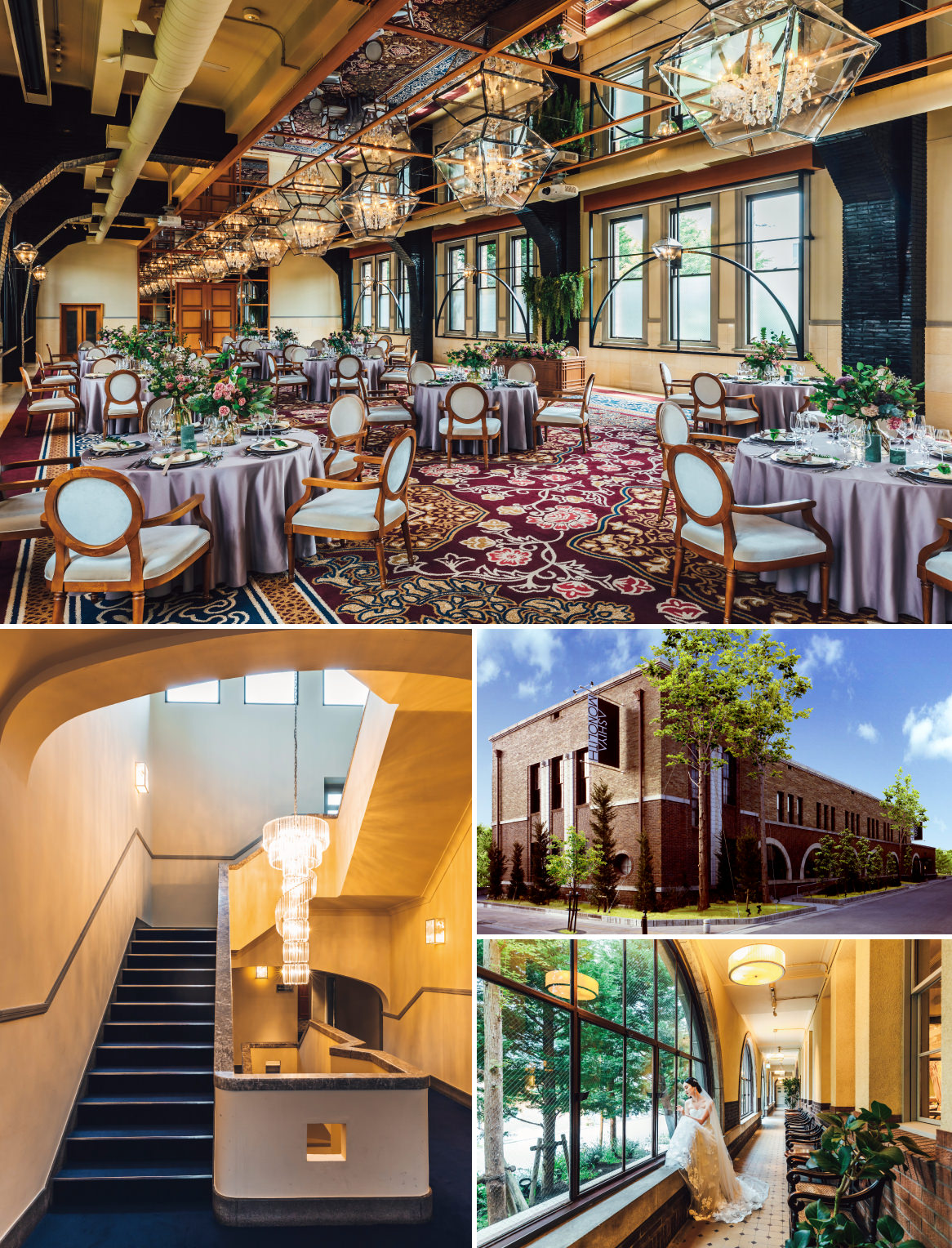
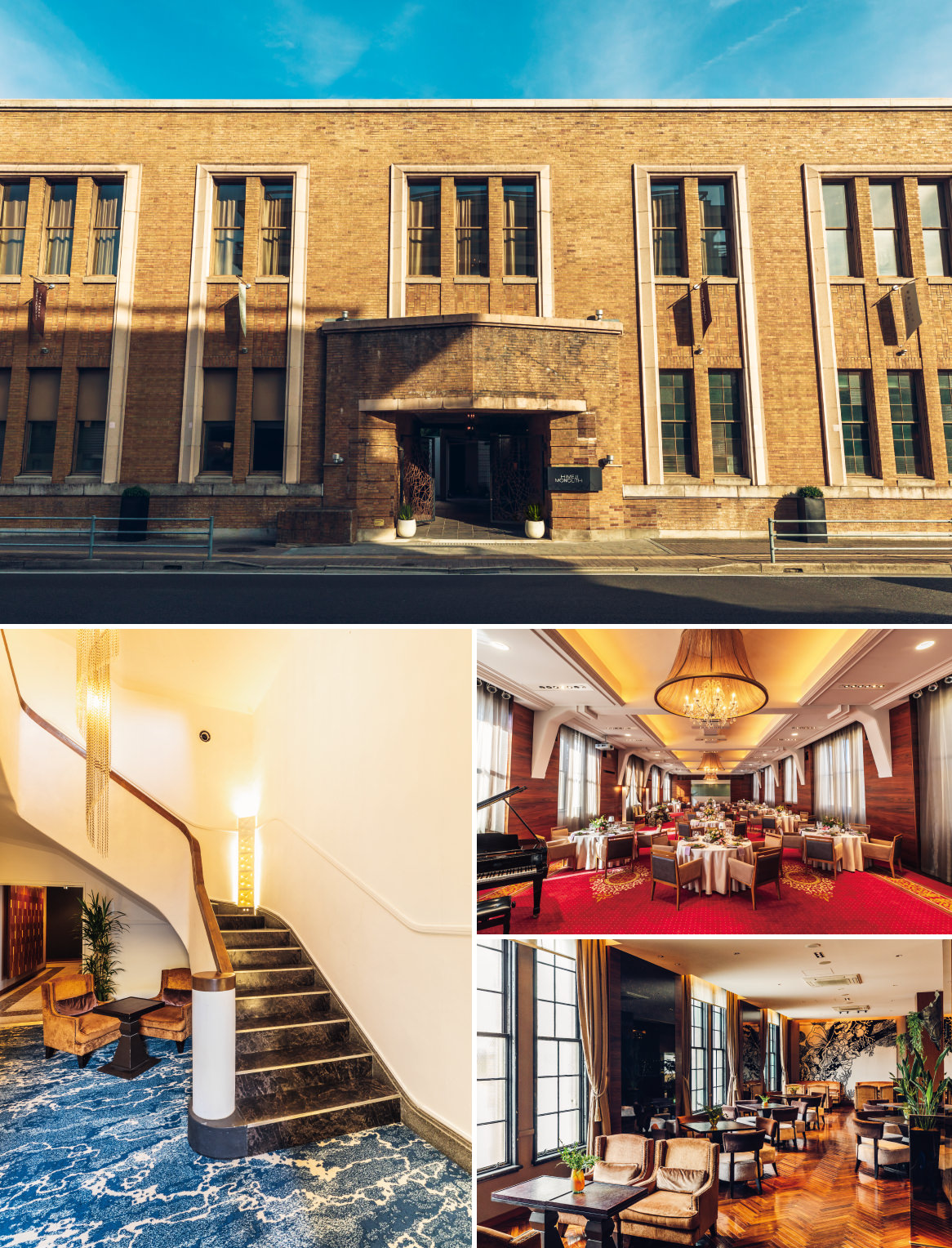
It was built in 1930 as the Himeji Post Office telephone branch. The entire surface is covered with beige scratch tiles, and the double and triple windows with emphasis on vertical lines are designed to span multiple layers, and the luxurious window surrounds, along with the artificial stone frames, give off a sense of class. This building, which has been designated as a building of scenic importance by the city, has been renovated as a wedding facility for adults.
2010 JCD Design Award 100 selections
2011 IES Illumination Awards
It was built in 1930 as the Himeji Post Office telephone branch. The entire surface is covered with beige scratch tiles, and the double and triple windows with emphasis on vertical lines are designed to span multiple layers, and the luxurious window surrounds, along with the artificial stone frames, give off a sense of class. This building, which has been designated as a building of scenic importance by the city, has been renovated as a wedding facility for adults.
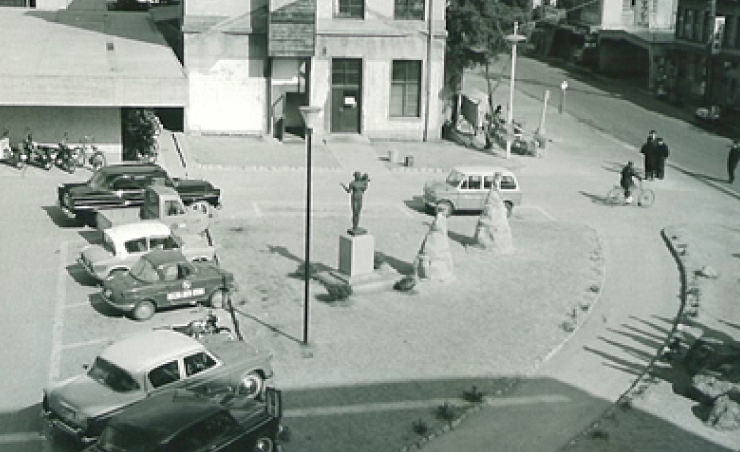
From “100 Years and 100 Views of Shioya”
Historical building restoration case study results 4
JAMES-TEI
Old James family residence
Kobe City, Hyogo Prefecture
Kobe City, Hyogo Prefecture
Kobe City designated cultural property
23rd AACA Awards
25th BELCA Prize – Long Life Category
It was built in 1934 by Mr. Ernest William James (a British trader) as his home. Although the zone was ``Class 1 Low-rise Residential'' and the building was ``not suitable for existing buildings,'' after a public hearing and an architectural review committee, and with the cooperation of Kobe City and local residents, it was designated as a cultural property and began operations as a ``gathering place'' in December 2012.
23rd AACA Awards
25th BELCA Prize – Long Life Category
It was built in 1934 by Mr. Ernest William James (a British trader) as his home. Although the zone was ``Class 1 Low-rise Residential'' and the building was ``not suitable for existing buildings,'' after a public hearing and an architectural review committee, and with the cooperation of Kobe City and local residents, it was designated as a cultural property and began operations as a ``gathering place'' in December 2012.
Historic building restoration case study results 5
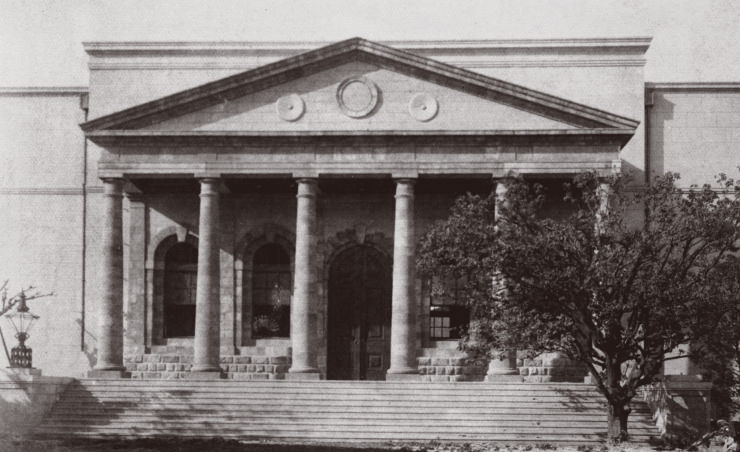
KYU-SAKURANOMIYA KOKAIDO
Former Sakuranomiya Public Hall Meiji Emperor Memorial Hall
Osaka City, Osaka Prefecture
Osaka City, Osaka Prefecture
Nationally designated important cultural property
34th Osaka Urban Landscape Architecture Award
2014 Good Design Award
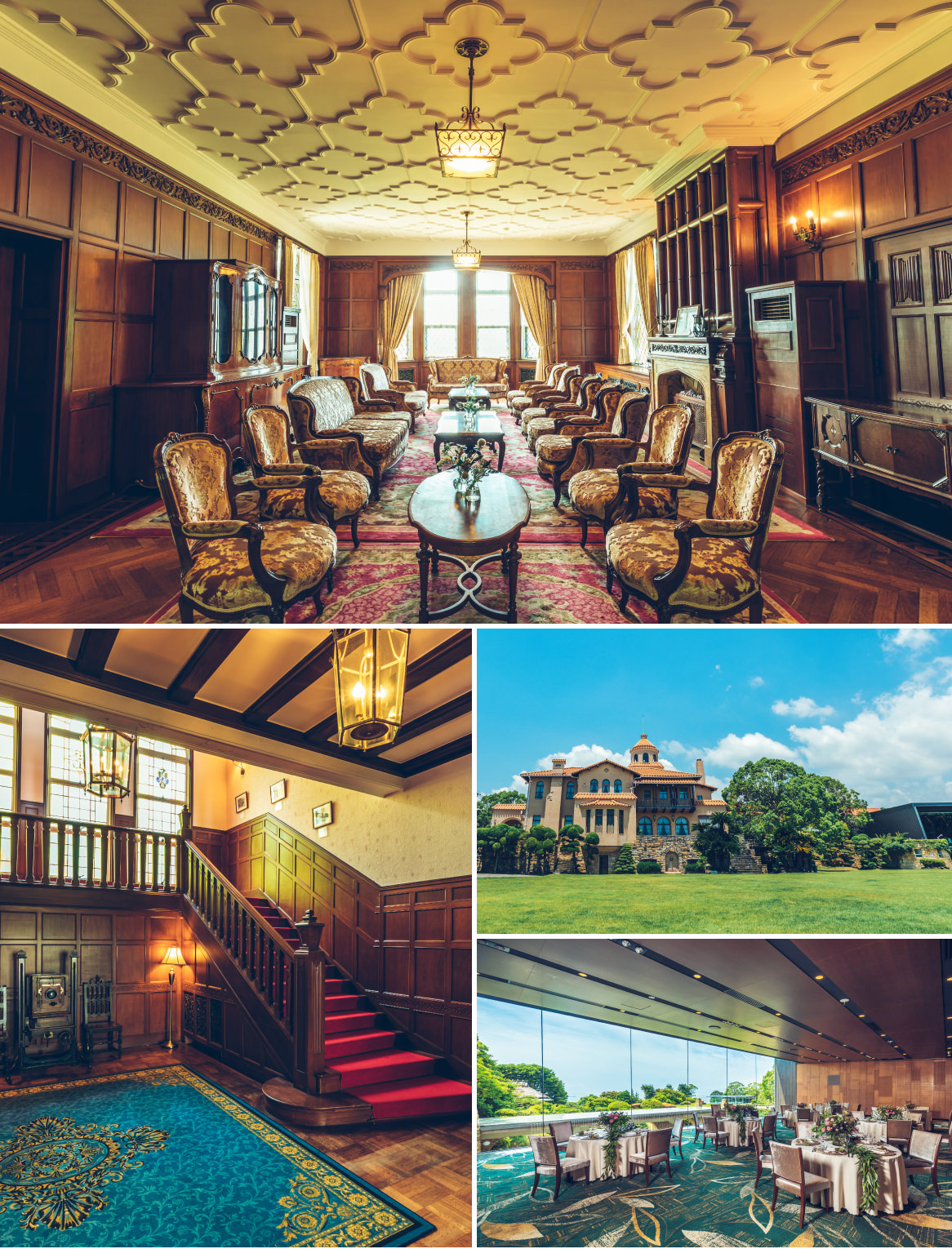
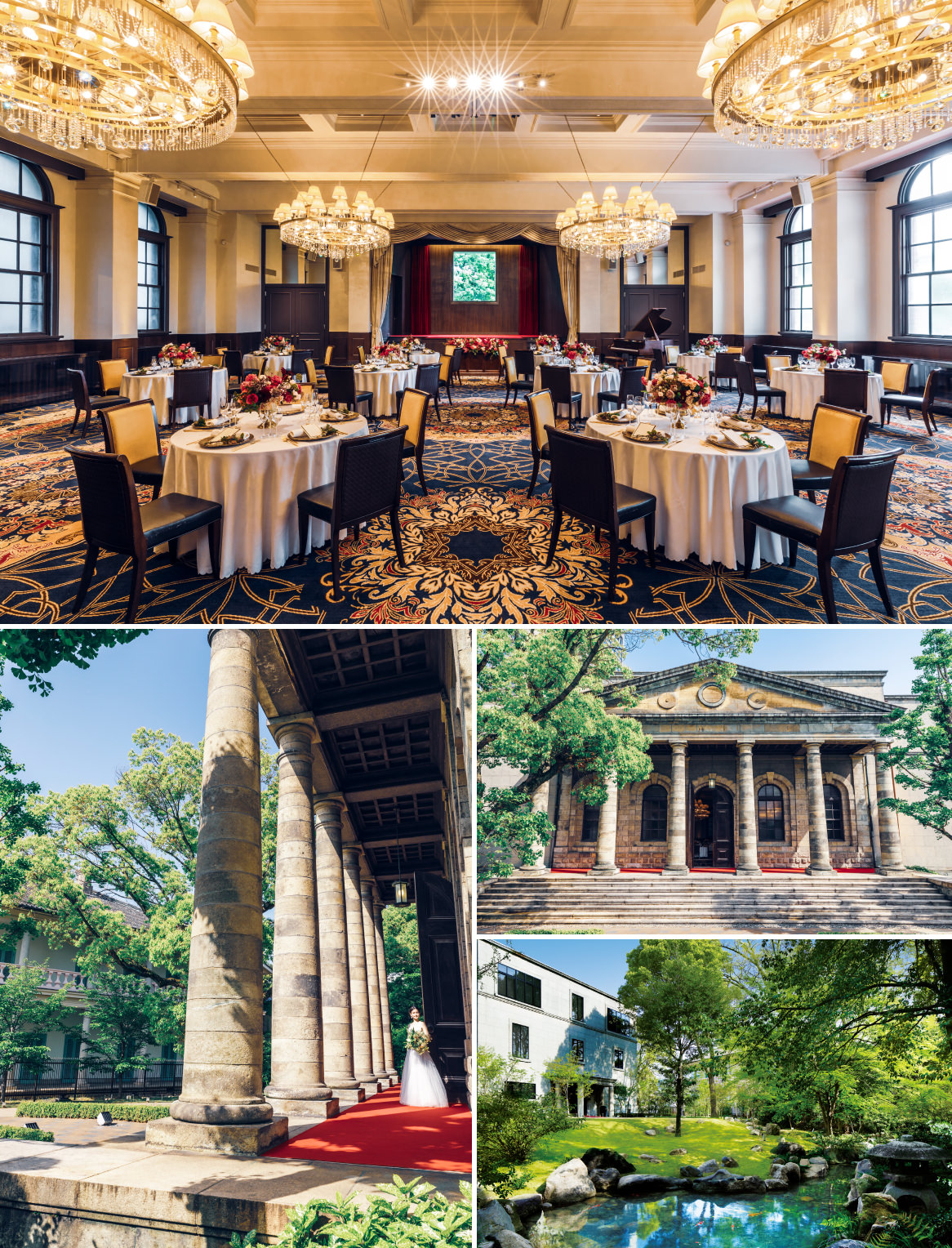
Built in 1935 as the Meiji Emperor Memorial Hall, it is the oldest Western-style building in Osaka Prefecture. The main entrance, which is designated as a nationally important cultural property, was relocated from the gold and silver coin mint of Minryo (currently the Japan Mint), which was built in 1871, and the entire building has been restored to its original appearance at the mint. We preserved as much of the existing building as possible and began operations in April 2013 as a restaurant and wedding facility. The Japanese garden has also been regenerated and is open to the public 365 days a year as a park.
34th Osaka Urban Landscape Architecture Award
2014 Good Design Award
Built in 1935 as the Meiji Emperor Memorial Hall, it is the oldest Western-style building in Osaka Prefecture. The main entrance, which is designated as a nationally important cultural property, was relocated from the gold and silver coin mint of Minryo (currently the Japan Mint), which was built in 1871, and the entire building has been restored to its original appearance at the mint. We preserved as much of the existing building as possible and began operations in April 2013 as a restaurant and wedding facility. The Japanese garden has also been regenerated and is open to the public 365 days a year as a park.
Historic building restoration examples 6
TSUJIKE-TEIEN
Maeda family retainer former Yokoyama family guest house
Kanazawa City, Ishikawa Prefecture
Kanazawa City, Ishikawa Prefecture
Cultural property designated by Kanazawa City
Registered Tangible Cultural Property (Japan)
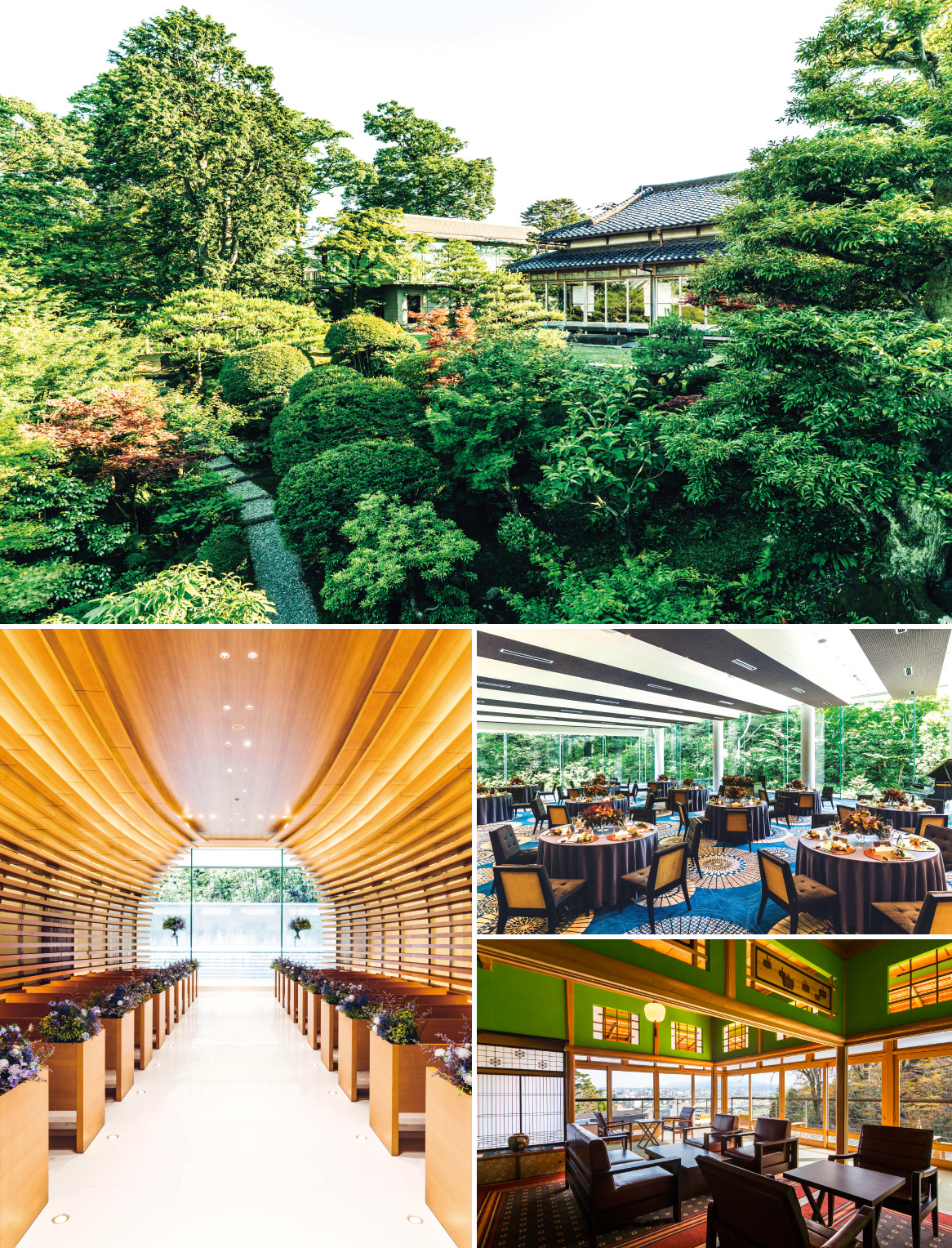
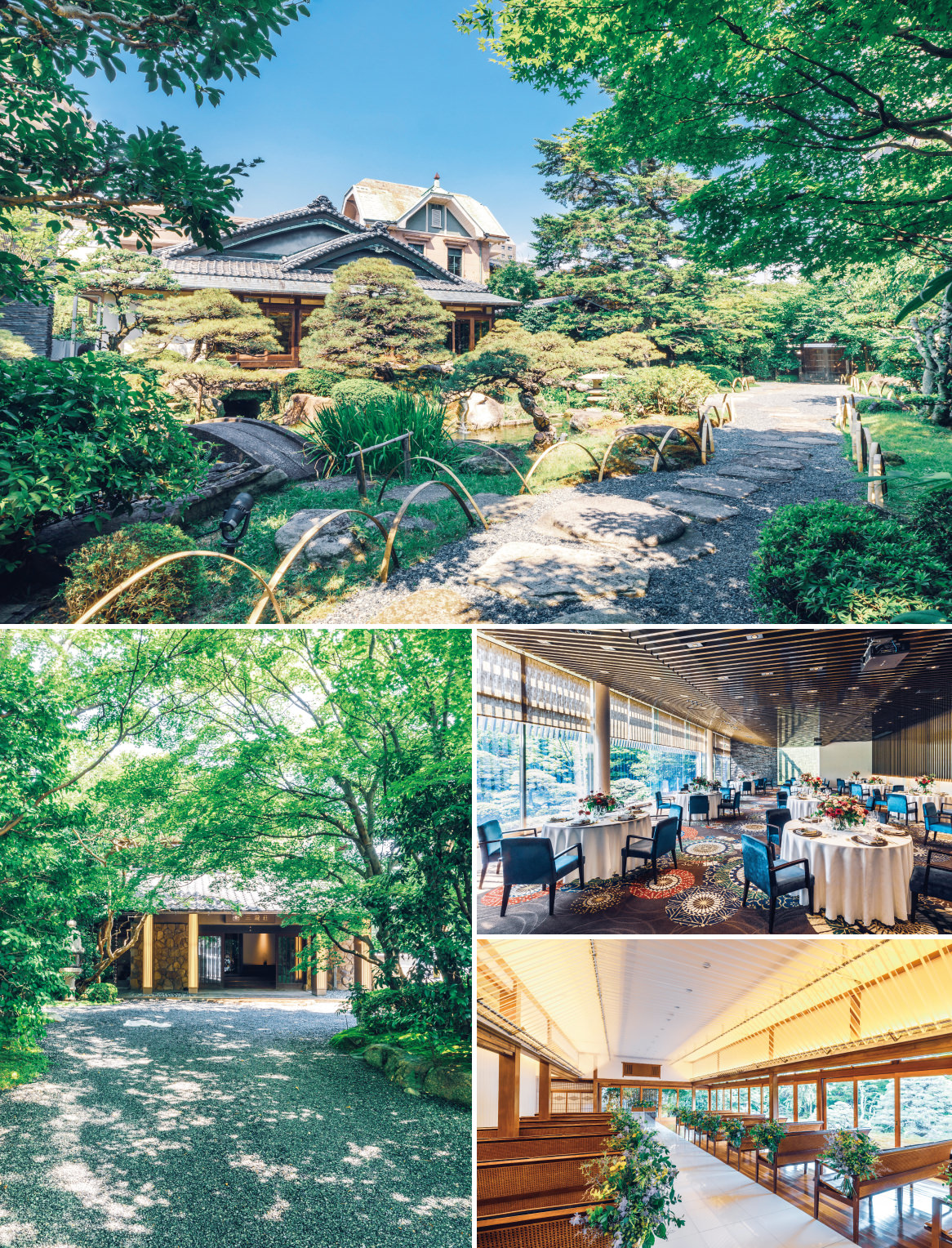
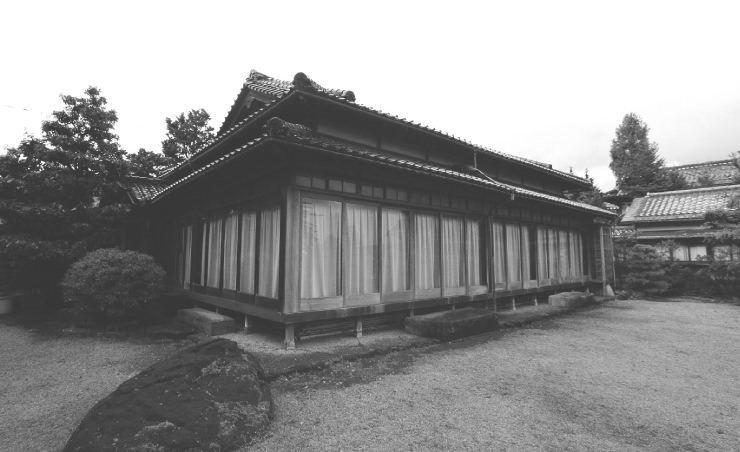
The Tsujiya Garden, created in the early Taisho period, was designed by Jihei Ogawa VII (Ueharu Ueji), a pioneer of modern Japanese gardens who left behind many famous gardens, and was designated as a cultural property by Kanazawa City in 2004, making it one of the best gardens in the prefecture. Our company preserved this garden and the historic Japanese houses, including the main building (a nationally registered tangible cultural property) and outbuildings inside the garden, and renovated it as a wedding hall, tea room, and private restaurant for one group. The building's exterior has been kept as is, but the interior has been renovated to accommodate weddings. A waiting room for attendees, an entrance reception, a kitchen, and a bar counter will be set up in the main building, and a new two-story wedding venue with one underground floor will be built on the northeast side of the park facing the Saigawa River. We have a chapel on the first floor and a banquet hall (233㎡) on the second floor that can accommodate up to 140 seated guests. The building was designed with a modern Japanese concept that does not spoil the landscape of the garden, and the garden side is entirely made of glass so that you can enjoy the view of the garden.
Registered Tangible Cultural Property (Japan)
The Tsujiya Garden, created in the early Taisho period, was designed by Jihei Ogawa VII (Ueharu Ueji), a pioneer of modern Japanese gardens who left behind many famous gardens, and was designated as a cultural property by Kanazawa City in 2004, making it one of the best gardens in the prefecture. Our company preserved this garden and the historic Japanese houses, including the main building (a nationally registered tangible cultural property) and outbuildings inside the garden, and renovated it as a wedding hall, tea room, and private restaurant for one group. The building's exterior has been kept as is, but the interior has been renovated to accommodate weddings. A waiting room for attendees, an entrance reception, a kitchen, and a bar counter will be set up in the main building, and a new two-story wedding venue with one underground floor will be built on the northeast side of the park facing the Saigawa River. We have a chapel on the first floor and a banquet hall (233㎡) on the second floor that can accommodate up to 140 seated guests. The building was designed with a modern Japanese concept that does not spoil the landscape of the garden, and the garden side is entirely made of glass so that you can enjoy the view of the garden.